藝術經理人 Emily 自述
從影像中拼湊——安井小彌太的生平線索
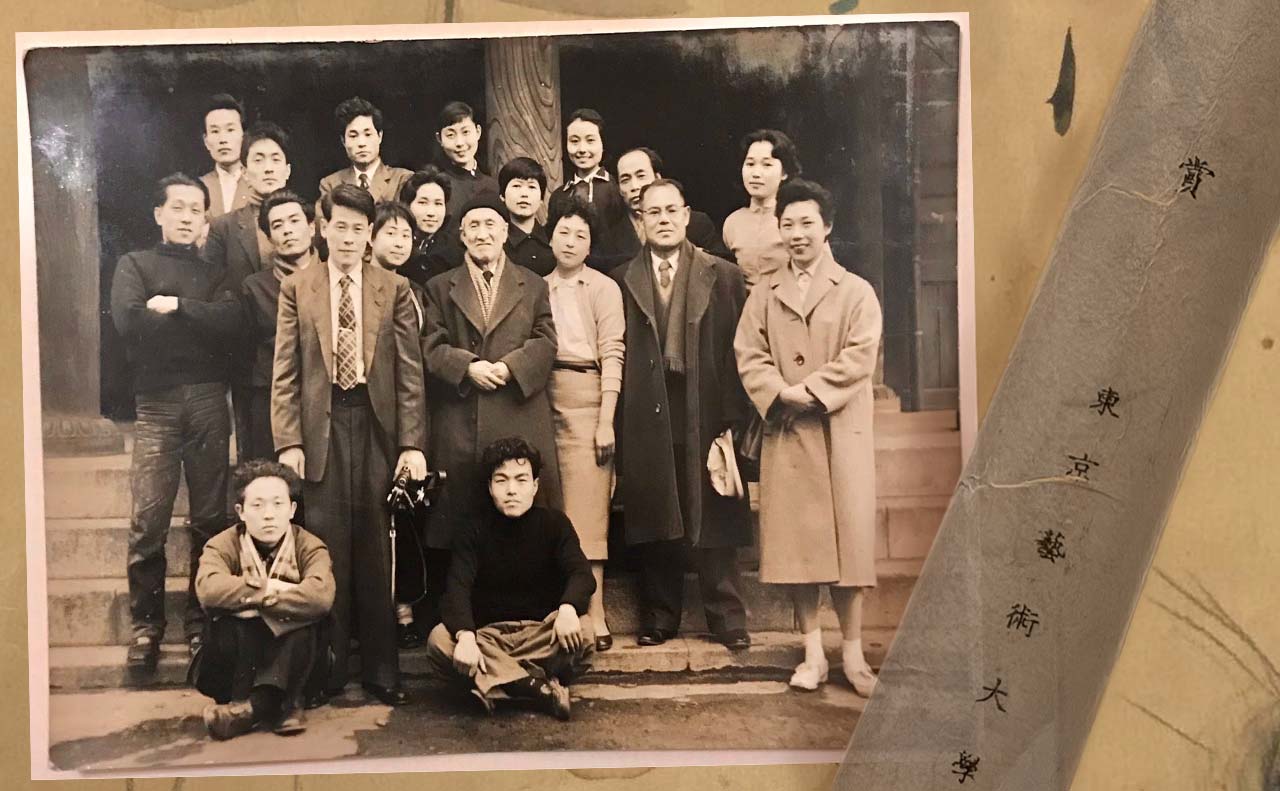
作為家族唯一傳人的安井顕太,保存了祖父安井小彌太、父親安井兵太與母親前田香枝的部分遺作與照片,然而幾乎沒有系統性的文字記錄留下。
這使得安井家族的歷史,長時間停留在作品與家族記憶之中,而沒有被整理成可以閱讀的年表與傳記。
這使得安井家族的歷史,長時間停留在作品與家族記憶之中,而沒有被整理成可以閱讀的年表與傳記。
祖父安井小彌太的線索,最早來自一支由朝日電視製作的紀錄影片。我反覆觀看影片內容,從短暫的訪談片段與畫面中的字幕,逐字抄錄出生年、工作地點與創作片段,再與其他零碎資料互相比對,才慢慢重新串聯出小彌太的生平輪廓。這些看似微小的片段,往往是重建一位藝術家人生的重要線索。
日常中的審美教育——前田香枝
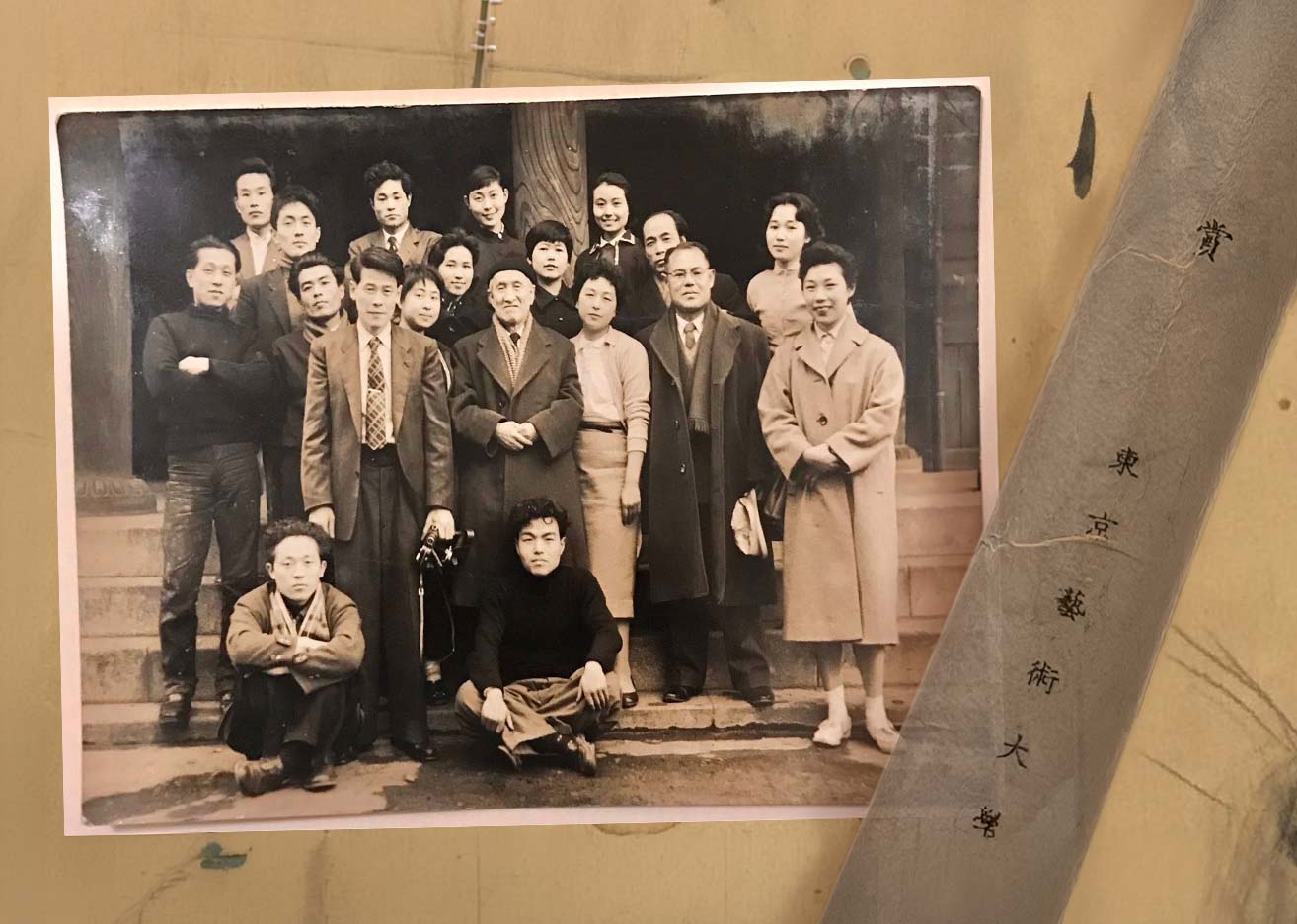
母親前田香枝的故事,則是從服裝面料設計、古物商執照、家族合影以及顕太的口述記憶中逐漸浮現。她並非以畫家身分活躍於畫壇,但她在布料圖案、器物選擇與日常生活美感上的敏銳品味,構成了安井家族日常生活中的「另一種審美教育」。這種來自生活而非畫壇的美學影響,對顕太的成長與創作氣質,可能具有同樣深遠的影響。
在古書中被發現的名字——安井兵太
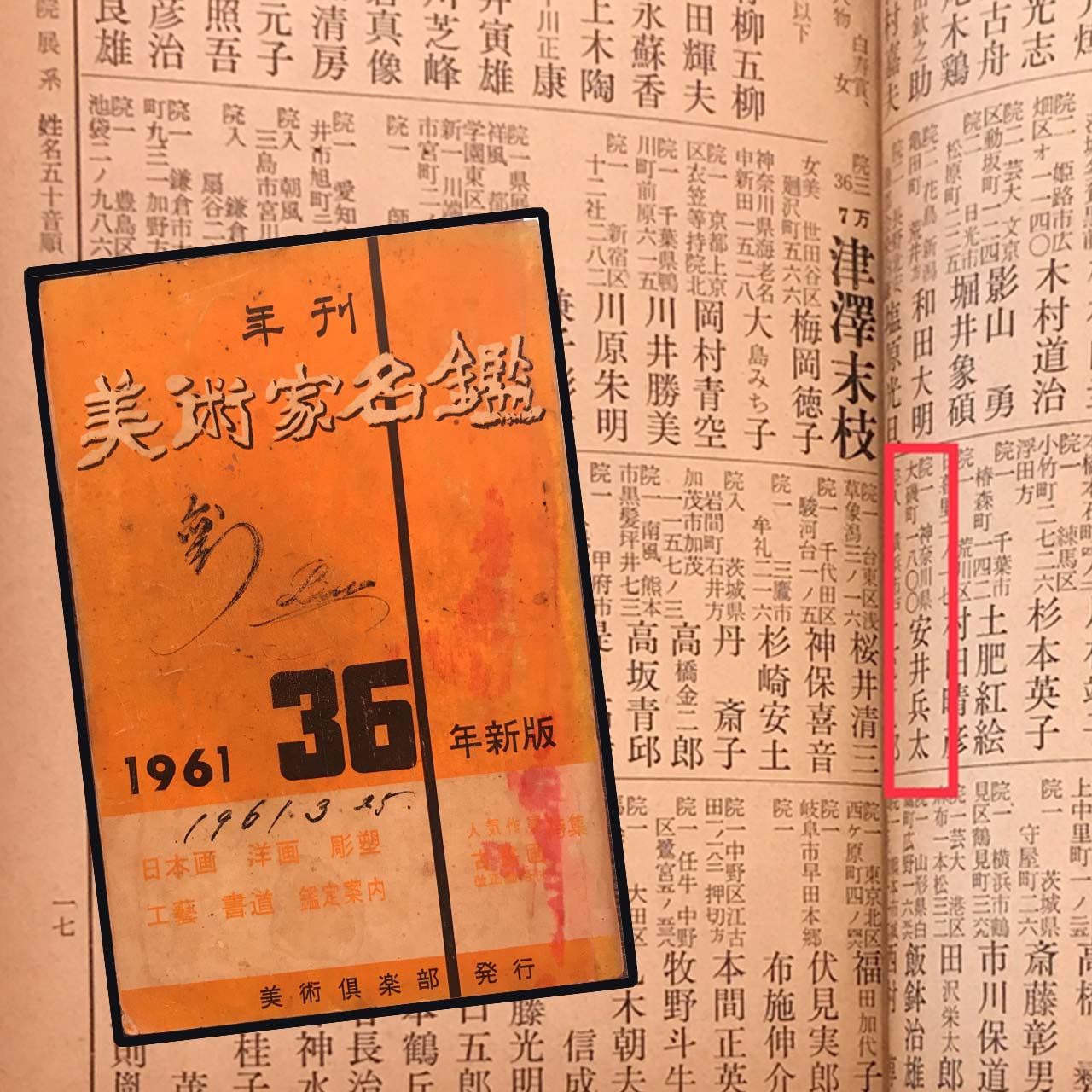
相較之下,安井兵太留下的資料更為零散,主要只有畫作、手稿,以及畫作背面零星的展覽標註與幾本由豐橋市美術館等機構出版的畫冊收錄。為了補足這一段幾乎空白的歷史,我開始在台北各家古書店與舊書攤尋找戰後日本美術的相關資料。當我在《年刊 美術家名鑑》中第一次看到「安井兵太」的名字時,那種如獲至寶的感覺,成為我決定沿著這條線索繼續追索下去的起點。
在台北完成的追索
之後的一段時間,我幾乎跑遍台北市能找到的日本古書店與舊書攤,一本一本翻找戰後的畫冊、展覽圖錄與名鑑年刊,只為了確認安井家族在日本美術史中的位置,以及他們曾經參與過的展覽與活動紀錄。這個過程並不像一般研究那樣可以快速取得資料,而更像是在時間的縫隙裡尋找遺留下來的痕跡。
重新找回一個家族
因此,今日呈現在讀者眼前的,不僅是一位日本畫家的作品集,也不僅是一份家族年表,而是一段從遺作、手稿、口述記憶與古書文獻中,慢慢「重新找回一個家族」的過程紀錄。這份圖錄所記錄的,不只是作品與年代,同時也記錄了一段關於時間、記憶與家族歷史被重新拼湊的過程。
The biographical notes and family chronology presented in this catalogue are not drawn from existing art‑historical monographs, but have been patiently reconstructed from family materials and second‑hand sources.
As the sole heir of the Yasui family, Kenta Yasui has preserved a number of works and photographs by his grandfather Koyata Yasui, his father Hyouta Yasui, and his mother Kaede Maeda, yet almost no systematic written record remained. The first clues to Koyata’s life came from a television documentary produced by Asahi TV. By repeatedly watching the program and transcribing fragments of dialogue and captions, I was able to piece together his dates, places of work, and episodes from his creative life.
The story of Kenta’s mother, Kaede Maeda, emerged from textile designs, an antique dealer’s license, family snapshots, and Kenta’s own recollections. Her refined sense for patterns and everyday objects formed another, often overlooked layer of aesthetic education within the Yasui household.
In contrast, what remained of Hyouta Yasui were mainly paintings, sketches, a few exhibition labels on the backs of works, and several catalogues from institutions such as the Toyohashi City Art Museum. To fill in these gaps, I began searching second‑hand bookstores in Taipei for traces of postwar Japanese art. Discovering Hyouta’s name for the first time in the Annual Artist Directory of Japan felt like uncovering a hidden treasure, and it became the starting point for a long process of research.
I then visited every Japanese antiquarian and used bookstore I could find in Taipei, leafing through postwar exhibition catalogues and artist directories one by one, simply to confirm where the Yasui family stands within Japanese art history. The catalogue you now hold is therefore more than a collection of works; it is the record of a process in which a family was rediscovered through estate pieces, manuscripts, oral history, and old books.
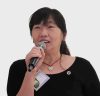
藝術經理人 Emily
關於安井家族三代的年表與生平,多半並非來自既有的美術史著作,而是透過家族成員的保存資料、口述記憶與古書文獻,一點一滴拼湊而成。
這些資料並不是在圖書館或網路上可以一次查得的完整歷史,而更像是一段漫長的田野調查過程。
關於安井家族藝術家的研究、作品與展覽資訊